


Signs You Should See a Tinnitus Specialist
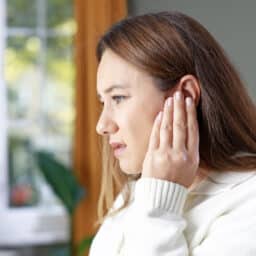
Tinnitus is an internal perception of sound without an outside source. Approximately 10% to 25% of adults experience it,[1] and for some, the symptoms are little more than an occasional nuisance. For others, tinnitus can be so difficult to ignore that it interferes with everyday life. Four Signs It’s Time To See a Specialist Schedule…
How To Track and Measure Tinnitus Management Progress

Nearly 10% of adults worldwide have experienced chronic tinnitus. Managing chronic tinnitus typically requires a multi-faceted approach. You might have tried cognitive behavioral therapy (CBT) to manage your reaction to the ringing, but swapped it for sound masking therapy. When you’re looking for the right management tool, or combination of management tools, it’s helpful to…
How Tinnitus Management Can Improve Your Daily Life

Tinnitus, that irksome ringing or buzzing in your ear, can negatively impact your life in more ways than you realize. Let’s take a look at a few management strategies and how improving tinnitus symptoms can benefit your life. Tinnitus Management Strategies Three standard approaches for managing tinnitus include: Stress relief is another form of tinnitus…
Understanding Tinnitus and How It Starts

Tinnitus is a common symptom affecting an estimated 10% to 25% of adults. It manifests as a ringing or buzzing in the ear with no external source. Because of the subjective nature of most tinnitus, and the quick bursts it often manifests as at first, it can be tricky to pinpoint why you’re suddenly experiencing…
Tinnitus Supplements: What You Need to Know

Tinnitus, a ringing or buzzing in the ears, is surprisingly common, affecting more than 50 million U.S. adults. When the internal ringing starts to interfere with daily life, many turn to home therapies, including but not limited to supplements. Unfortunately, studies on the effectiveness of tinnitus supplements are either inconclusive or poorly designed. Let’s look…
The Latest in Tinnitus Management Tools

Tinnitus is the perception of sound, usually a ringing or buzzing, that other people cannot hear. The symptom affects approximately 10 to 25% of adults. Though some patients only experience the occasional ringing, others deal with chronic cases (lasting three months or longer). Let’s take a look at the newest tinnitus management tools to help…
How Tinnitus Affects Your Mental Health

Tinnitus is a ringing or buzzing sound in your ears without an external source. While some people find it mildly annoying, others experience severe mental health side effects. A 2023 study found that chronic tinnitus is associated with an increased risk of depression, anxiety and somatic symptoms (the physical manifestation of mental health disorders, i.e.,…
What Does Tinnitus Sound Like?

If you’ve ever heard a persistent sound in your ears that no one else seems to notice, you’re probably not imagining things—and you’re not alone. This symptom is called tinnitus. Tinnitus is the perception of sound with no external source. It’s not a disease itself but a symptom of underlying conditions like hearing loss or…
Can I Have Tinnitus in One Ear?
Unilateral tinnitus can develop for a variety of reasons ranging from medical conditions to lifestyle factors. Some of the most common causes include: Diagnosing and Managing Unilateral Tinnitus If you are experiencing tinnitus in one ear, it’s important to see a doctor. Ear, nose and throat specialists may use hearing tests, imaging scans and blood…
Tips For Adjusting to Hearing Aids

According to the FDA, only about one in five people who needs hearing aids gets them. But, about 28.8 million adults could benefit from the use of hearing aids. There are a few signs that a hearing test could be a good idea, including having the television volume consistently too loud, having trouble distinguishing conversation…