


Many hearing aid users notice changes in their hearing over the years and wonder whether their current devices are still doing their job. The good news is that a change in hearing does not automatically mean you need to replace your hearing aids.
The First Step Is Understanding What’s Changed
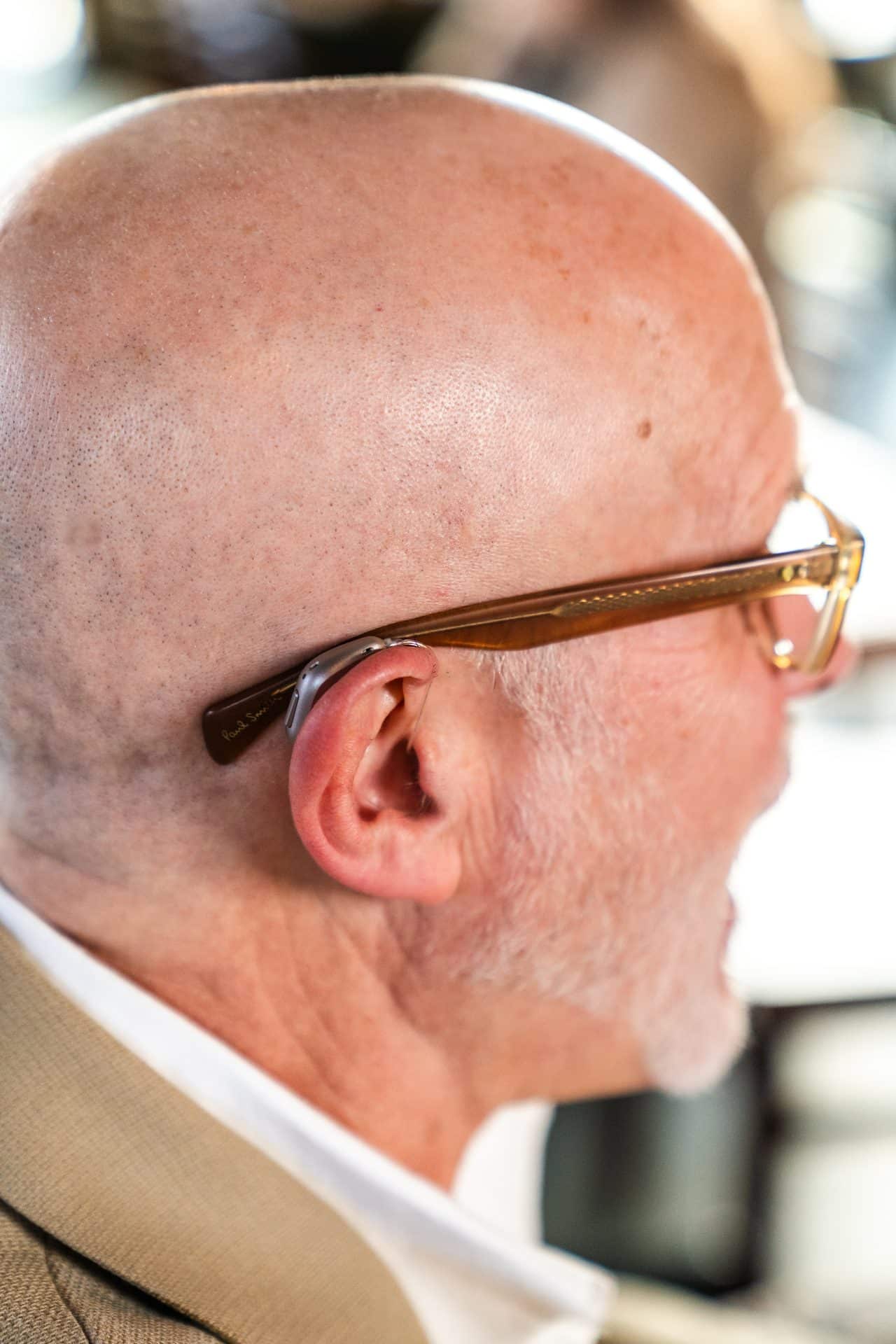
If the barista at your favorite coffee shop sounds unclear, you start turning up the volume on your TV or music more frequently or you avoid social situations because listening feels harder, it’s worth making an appointment at Advanced Hearing.
These changes can have several causes, including progression of hearing loss, earwax buildup, changes in hearing aid settings or simply wear and tear on your devices. A comprehensive hearing exam with one of our specialists will help determine exactly what’s happening.
Hearing Aid Adjustments Can Often Solve the Problem
Many people are surprised to learn their existing hearing aids are still appropriate. Using updated hearing test results, your hearing care professional can fine-tune your devices to deliver the amplification you need today. Small programming changes can often improve speech understanding and overall listening comfort.
Depending on your level of technology, you may also be able to personalize your hearing aids through a companion app that adjusts settings for different situations.
Signs You May Benefit From a Replacement
There are times when new hearing aids make the most sense. You may be a candidate for an upgrade if:
- Your hearing loss has significantly progressed
- Repairs have become frequent or costly
- You want access to newer hearing technology
Advancements in sound processing can make conversations easier to follow in complex listening situations and provide a more natural hearing experience.
Schedule Your Appointment
It’s easy to assume your hearing aids are no longer working, but assumptions can lead to unnecessary expenses.
A hearing evaluation allows your provider to determine whether a simple adjustment will restore performance or whether updated technology is warranted. Either way, you’ll have the information you need to make a confident decision about your hearing health. Contact Advanced Hearing to schedule your appointment.
Sources
Rigters, S. C., van der Schroeff, M. P., Papageorgiou, G., Baatenburg de Jong, R. J., & Goedegebure, A. (2018). Progression of Hearing Loss in the Aging Population: Repeated Auditory Measurements in the Rotterdam Study. Audiology & neuro-otology, 23(5), 290–297. https://doi.org/10.1159/000492203