


Hearing loss affects approximately 15% of U.S. adults.[1] Of that number, a significant amount of people delay seeking treatment. For some, the decision to address hearing loss can be influenced by misconceptions about hearing aids. Concerns about appearance, technology and effectiveness may make it easier to put off scheduling an appointment.
The good news is that hearing aid technology has come a long way. Let’s clear up some common hearing aid myths so you can feel more informed and confident about your hearing health.
Myth #1: I Only Need Hearing Aids If My Hearing Loss Is Severe
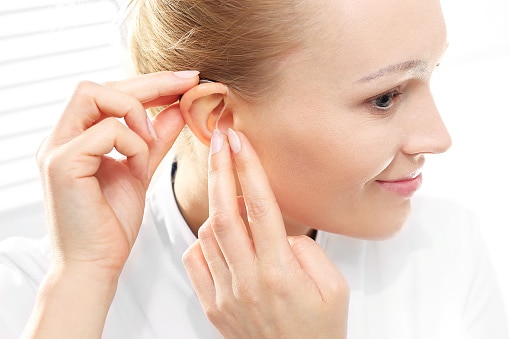
Hearing loss doesn’t have to be severe before it starts affecting your daily life. Even mild hearing loss can make it harder to understand conversations, especially in noisy environments.
You may notice yourself asking others to repeat themselves, turning up the television or avoiding conversations in busy restaurants like The Third Door. These small challenges can become frustrating over time.
If you’ve noticed changes in your hearing, a hearing evaluation can help determine whether hearing aids or another treatment option may be appropriate for you.
Myth #2: Hearing Aids Won’t Help With Significant Hearing Loss
On the flipside, some people assume that hearing aids are only helpful for mild or moderate hearing loss. In reality, hearing aids can benefit many people with more severe hearing loss by providing useful amplification and helping them stay aware of louder sounds around them, such as sirens or fire alarms.
Myth #3: Hearing Aids are Big and Obvious
You may picture hearing aids as large devices that are impossible to hide, but modern hearing aids are much more discreet. Today’s options are designed to be smaller and more comfortable than older models.
Many hearing aids sit behind or inside the ear and are available in different styles and colors. Your hearing care professional can help you choose a device that fits comfortably and suits your preferences while providing the amplification you need.
Myth #4: Every Hearing Aid is the Same
Hearing aids do more than simply increase the volume of everything around you. Modern devices use sophisticated technology to process sounds and help make conversations and everyday listening more comfortable.
Depending on the model, hearing aids may offer features ranging from Bluetooth® connection and wind noise reduction to tinnitus masking and AI-powered sound processing.
These features turn hearing aids from simple amplification devices into essential tools that improve every corner of your life.
If you’ve been considering hearing aids but aren’t sure whether they’re right for you, Advanced Hearing is here to help. Call us today to schedule your hearing test.
[1] National Institute on Deafness and Other Communication Disorders. (2024). Quick statistics about hearing, balance, & dizziness. National Institutes of Health. https://www.nidcd.nih.gov/health/statistics/quick-statistics-hearing